
How Often Should You Wash Your Dog
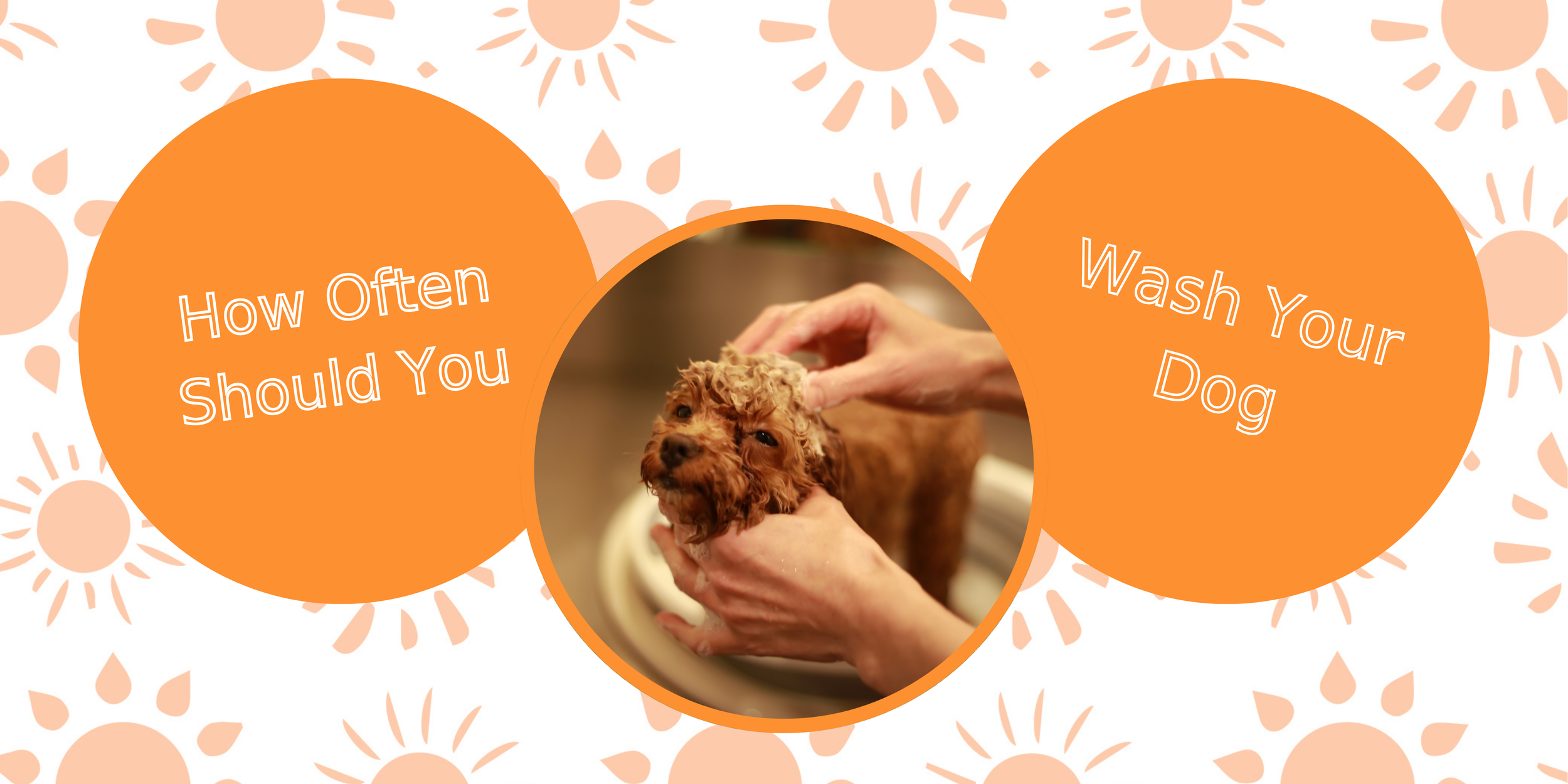
Before you turn bath time into a weekly battle, understand what your dog's coat actually needs.
Over-bathing strips natural oils and causes skin irritation, while under-bathing leaves you living with a smelly, dirty companion.
Your dog’s age, breed, coat type, grooming needs, and especially their enthusiasm for rolling in mud, all affect how often baths are necessary.
Here’s how to figure out the best grooming routine for your dog, plus why brushing may be even more important than bathing.
How Often to Bathe Your Dog By Coat Type
The blanket advice of "bathe your dog monthly" doesn't account for the massive differences between breeds, lifestyles, and health conditions.
Most dogs should be bathed every 1-3 months to maintain their coat and skin health; however, it's essential to customize your dog's bathing routine based on their specific circumstances.
Over-bathing consequences:
Stripped natural oils leading to dry, irritated skin
Increased risk of bacterial or fungal infections
Disrupted skin barrier function
Potential for contact dermatitis from frequent shampoo exposure
Under-bathing problems:
Built-up dirt and oils that cause matting
Increased risk of skin infections from accumulated bacteria
Unpleasant odors that affect your bond with your dog
Missed opportunities to check for skin issues, parasites, or injuries
There’s no one-size-fits-all schedule, but let’s review some helpful guidelines.
Tips for Washing Different Breeds of Dog
Dogs With Hair That Needs Regular Trims
Breeds like Poodles, Shih Tzus, and Doodles have coats that grow continuously and often need a bath every 6–8 weeks, alongside professional grooming.
Skipping baths here can lead to matting, skin irritation, and buildup of natural oils or debris.
Short-Coated Dogs
Dogs with short, low-maintenance coats (like Beagles or Boxers) don’t need frequent baths. But because many love to roll around in the dirt (or worse), a bath every few months helps keep them tidy and fresh.
👉 Rule of thumb: If your dog smells funky or feels greasy, it’s time!
Double-Coated or Shedding Breeds
Labs, Huskies, and Shepherds shed seasonally and benefit from baths before and after major shedding periods. This helps loosen old hair and can speed up the blowout.
Use a deshedding brush or grooming rake before and after baths to avoid clumps and mats.
Dogs with Skin Conditions
Bathing Frequency: As prescribed by the veterinarian
Dogs with allergies, dermatitis, or other skin conditions often need specialized bathing schedules.
Unlike humans, who absorb most environmental allergens through their noses and mouths, dogs tend to absorb allergens through the skin, making regular bathing an important part of allergy management.
Some dogs may need weekly medicated baths, while others benefit from less frequent bathing to avoid skin irritation.
Why Brushing Is Just as Important as Bathing Your Dogs
Baths get the spotlight, but brushing is where the real coat maintenance happens.
Health benefits of regular brushing:
Removes dirt, debris, and loose hair, reduces shedding, and stimulates the skin's natural oils, promoting a healthier coat
Allows early detection of skin issues, lumps, cuts, or parasites
Prevents matting that can cause pain and skin infections
Distributes natural oils for coat health and shine
Prevents bigger problems:
Matted fur that requires professional removal or shaving
Excessive shedding throughout your home
Skin infections from trapped moisture and debris
Painful pulling and discomfort during grooming
Brushing Schedule for Dogs by Coat Type
Long-Coated and Thick-Undercoat Dogs
Frequency: Daily to several times per week
Dogs with long, silky, or curly coats require daily brushing to keep their hair from becoming tangled or matted. Long-haired breeds require daily brushing to maintain their coat's health.
Breeds that need frequent brushing:
Afghan Hounds, Bearded Collies, Old English Sheepdogs
Poodles and Poodle mixes
Golden Retrievers, German Shepherds (during shedding seasons)
Any dog with hair longer than 2 inches
Medium-Coated Breeds
Frequency: 2-3 times per week
A good dog grooming routine is 2-3 times a week for medium-haired dogs to prevent matting while maintaining coat health.
Short-Coated Dogs
Frequency: Weekly to bi-weekly
Short haired dogs don't have to worry about their fur matting or tangling and can be brushed every few weeks. A good dog grooming routine is once a week for short hair.
Even though short coats don't mat, regular brushing still provides health benefits and reduces shedding in your home.
How Often Should You Bathe Your Puppies?
Puppies don’t need frequent baths unless they get into something gross. Use a gentle, dog-specific shampoo and limit full baths to every 6–8 weeks (or longer), unless your dog is visibly dirty.
Focus more on getting your puppy used to the process:
Soft brushes
Feet and ears are being handled
A calm bath routine with rewards after
This sets the stage for easier grooming as they grow up.
Signs That Show Your Dog Needs a Bath
Rather than following a rigid schedule, watch for these indicators that it's bath time:
Obvious Signs
Visible dirt, mud, or debris in the coat
Strong odor despite regular brushing
A greasy or oily feeling to the fur
Itching or skin irritation
They’ve rolled in something... questionable
You’re about to visit somewhere with lots of people (family event, vet visit, dog-friendly cafe, etc.)
Subtle Indicators
Their coat looks dull instead of shiny
Normal brushing isn't removing loose hair effectively
Your dog seems uncomfortable or is scratching more than usual
You're avoiding close contact because of smell or feel
Essential Bathing and Grooming Supplies for Dogs
Having the right equipment makes both bathing and brushing more effective and less stressful for everyone involved.
Bathing Essentials:
Dog-specific shampoo (human products can irritate skin)
Towels designated for dog use
Non-slip mat for tub safety
Handheld shower attachment or large cup for rinsing
Brushing Tools:
Slicker brush for most coat types
Undercoat rake for double-coated breeds
Pin brush for long, flowing coats
Bristle brush for short, smooth coats
Mental Enrichment for bath time:
Lick mats with treats to keep dogs occupied during baths
Puzzle toys for post-bath rewards
How to Create Your Dog's Personal Grooming Schedule
Every dog is an individual with unique needs. Use these guidelines as a starting point, then adjust based on your dog's response, lifestyle, and your household preferences.
Sample schedule for a Golden Retriever:
Daily: Quick brush-through during shedding seasons
Weekly: Thorough brushing during non-shedding periods
Every 6-8 weeks: Professional grooming with bath and nail trim
As needed: Home baths after muddy adventures
Sample schedule for a Beagle:
Weekly: Light brushing to reduce shedding
Monthly: Check for bathing needs (smell test!)
Every 2-3 months: Bath unless they've gotten particularly dirty
Seasonally: Professional nail trim and ear cleaning
Remember: these are starting points. Pay attention to your individual dog's needs and adjust accordingly.
Grooming Dogs Is About Health, Not Just Looks
Whether your dog needs a bath once a month or once a quarter, regular grooming is a form of care.
A clean coat = fewer parasites, less skin irritation, and more comfort.
A brushed coat = fewer mats, less shedding, and more bonding time.
Some dogs require professional expertise to maintain optimal coat and skin health, mainly breeds with complex grooming needs or those with specific health concerns.
Our certified professionals can help you develop a customized grooming schedule tailored to your dog's breed, lifestyle, and household preferences.