
How to Introduce Dogs to Your Puppy
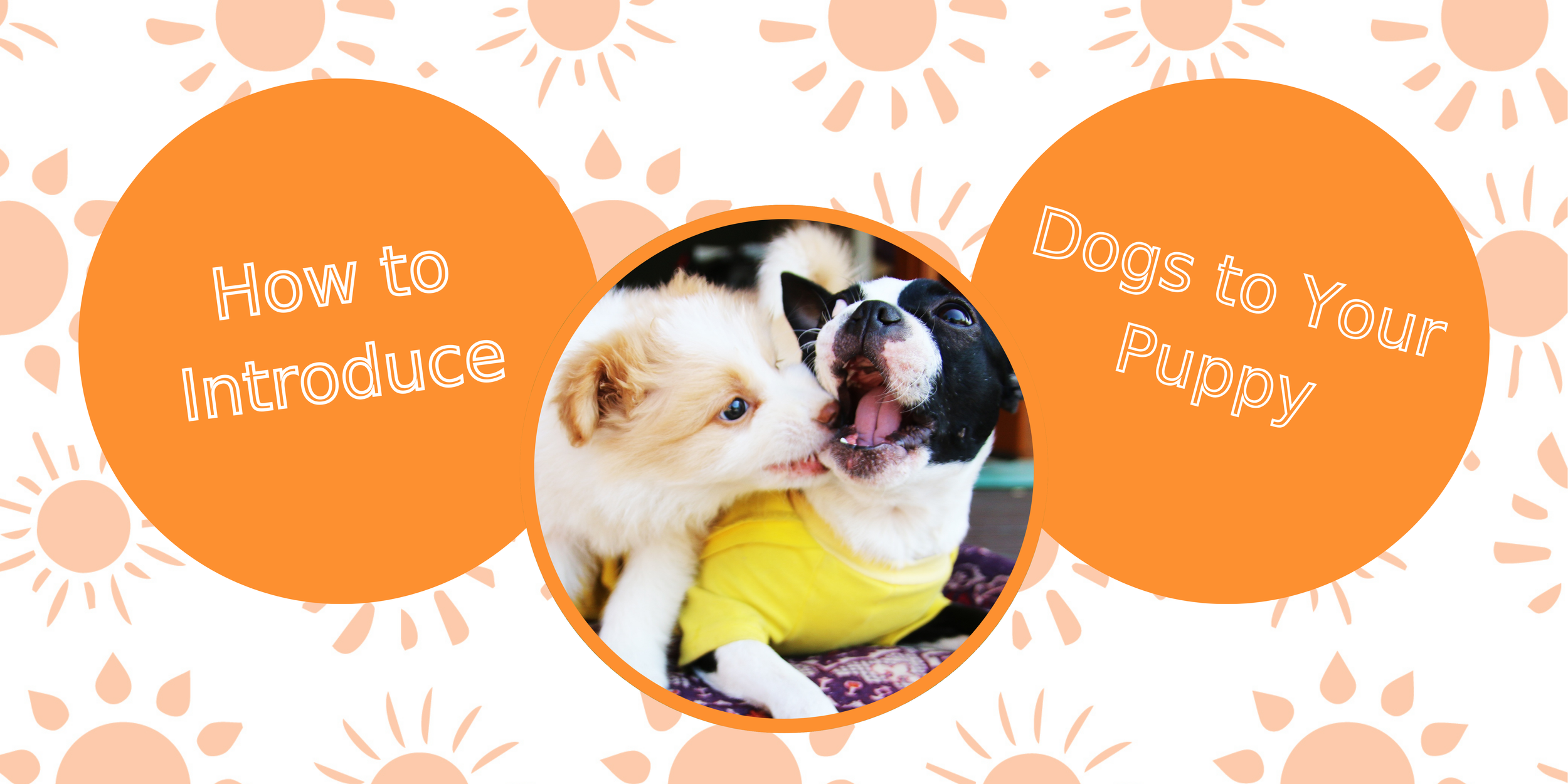
Bringing a new puppy into a home where another dog already lives, or meeting dog friends outside, can be either a beautiful moment or a stressful one.
Do it right, and the introductions will help build a healthy foundation of trust and confidence for your puppy.
Do it wrong and they can damage a new relationship before it even starts.
This blog explains how to set up successful dog-to-puppy meetings that foster positive associations rather than traumatic memories.
Why Proper Dog Introductions Matter for Puppies
First Impressions Shape Future Relationships
Puppies form lasting associations during their critical socialization period (8-16 weeks).
A single negative experience with another dog has the potential to create fear-based reactions that influence how your puppy approaches canines for the rest of their life.
Size Disparities Create Real Risks
Adult dogs, even well-intentioned ones, can accidentally overwhelm or injure puppies through enthusiastic play.
Proper introductions account for these physical differences and set both dogs up for appropriate interactions.
Social Skills Need Scaffolding
Puppies haven't yet learned adequate dog etiquette.
They need exposure to patient, well-socialized adult dogs who will teach them boundaries without overly harsh corrections.
Introducing Your New Puppy to Dogs Who Live With You
If your home already has a dog (and that dog enjoys other dogs), this can be a smooth and positive experience with a few helpful steps:
Step 1: Give Your Puppy the Higher Ground
Have your puppy on a couch or other raised surface and stay with them so that they feel safe.
The elevated position serves multiple purposes:
Prevents the puppy from being overwhelmed by a larger dog's size
Gives the puppy a sense of security and control
Allows you to easily intervene if needed
Creates a more equal visual dynamic between dogs of different sizes
Step 2: Controlled Visual Introduction
Have someone else bring out the dog that currently lives at the home, potentially on a leash if the dog is very exuberant.
This controlled approach prevents rushed greetings and gives both dogs time to process each other's presence.
Watch for positive body language in both dogs:
Soft, relaxed eyes (not hard staring)
Wiggly, loose body posture
Loosely wagging tails (not high and stiff)
Play bows from either dog
Adult dogs making themselves smaller by lying down
Red flags to watch for:
Stiff, tense body posture
Hard staring or fixated attention
High, rigid tail position
Hackles raised along the back
Lip lifting or teeth baring
Excessive panting or drooling
Trying to hide behind you or seek escape routes
Excessive submissive urination
Tucked tail or pinned-back ears
Excessive yawning or lip licking (stress signals)
Step 3: Reward Calm Interest
Reward both dogs for simply looking at each other calmly and showing interest in meeting.
Use high-value treats to create positive associations with each other's presence. Both dogs should seem genuinely interested in meeting, not stressed, fearful, or overly aroused.
Step 4: Supervised Physical Introduction
If both dogs show appropriate interest signals, remove food from your hands and put it away to prevent resource guarding.
Bring the older dog over to sniff the puppy under close supervision.
What you want to see:
Gentle sniffing without prolonged focus on one area
The adult dog is giving the puppy space to move around freely
The puppy is allowed to sniff the adult dog in return
Brief, appropriate interactions followed by natural disengagement
Concerning behaviors that require immediate intervention:
Chasing or pursuing the puppy persistently
Pinning the puppy down or standing over them
Growling, lip lifting, or snapping
Getting stiff or tense during interactions
Not allowing the puppy to move away or create distance
Step 5: Gradual Increase in Interaction Time
Keep initial meetings brief. Just a few minutes of successful interaction.
Multiple short, positive sessions build better associations than one long, potentially overwhelming encounter.
Tips on How to Introduce Your Puppy to Dogs Outside Your Home
Not every dog you pass on the street is a safe socialization opportunity. In fact, on-leash greetings with unknown dogs are best avoided.
Instead, here’s how to approach socialization outside your home:
Tip 1: Stick to dogs you know
Whether it’s a friend’s older dog or a neighbor’s calm senior, it’s best to start with known, dog-social individuals who are relaxed and predictable.
Tip 2: Avoid “say hi” culture on walks
Letting your puppy greet every dog on a leash during your daily strolls often leads to overstimulation or bad experiences. Not every dog is friendly, and leashes restrict natural dog body language.
Tip 3: Try a Puppy Social
If you don’t know anyone with a good dog role model, look for Puppy Socials run by trusted trainers in your area. These supervised, small-group sessions are designed to be safe, educational, and positive for everyone.
👋 Location in Portland? Urban Pawsibilities offers Puppy Socials to help with this! Click here to join one of our upcoming puppy social hours.
3 Common Puppy Introduction Mistakes to Avoid
1. Rushing the Process of Introducing Your Puppy
Take your time. Multiple brief, positive interactions build better relationships than forced extended meetings.
If either dog shows discomfort, end the interaction. Pushing through stress can create lasting negative associations.
Note: Never physically force dogs together or hold them in place during greetings. Both dogs should have the freedom to approach, investigate, and move away as they choose.
2. Assuming All Adult Dogs Are Good with Puppies
Not every dog enjoys puppy energy and behavior. Some dogs find puppies annoying or overwhelming, and that's perfectly normal.
Even after successful introductions, supervise all interactions between your puppy and other dogs until you're confident in their relationship dynamic.
3. Making Your Resident Dog Feel Replaced
Make sure your resident dog doesn't feel displaced by the new puppy. Maintain their routines and give them individual attention and training time.
Ensure each dog has their own food bowls, toys, and resting spaces to prevent resource guarding conflicts.
When to Seek Professional Help for Puppy Introductions
Contact a certified dog trainer or behaviorist if you notice:
Persistent stress signals from either dog
Any aggressive behavior during introductions
Resource guarding over food, toys, or attention
One dog is consistently bullying or overwhelming the other
Your puppy is developing fearful behavior around other dogs
Get Professional Puppy Socialization Support
Some dogs love meeting new friends, while others prefer a small circle of trusted companions. Both approaches are perfectly normal.
Creating positive first experiences between your puppy and other dogs sets the foundation for a lifetime of healthy canine relationships.
Our certified dog trainers can help you navigate puppy introductions, assess your resident dog's readiness for a new puppy, and provide structured socialization opportunities.
🔖 Save this guide for reference during those crucial first weeks.